Author

DT Vollmer

Browsing

1PointFive yesterday announced the sale of 400,000 tonnes of carbon removal credits from its planned first direct air capture (DAC) facility to aerospace leader Airbus. The facility uses using Carbon Engineering’s industrial-scale DAC solution and will extract atmospheric carbon dioxide (CO2) and permanently store it deep underground in geologic formations, delivering permanent and verifiable carbon dioxide removal. Airbus has pre-purchased the capture and permanent sequestration of 100,000 tonnes of CO2 from the atmosphere each year for four years, with an option to secure more volume in the future. The purchase marks a key milestone for the decarbonization of the aviation industry.  1PointFive is a carbon capture, utilization and sequestration (CCUS) platform that is working to help curb global temperature rise to 1.5°C by 2050 through the deployment of decarbonization solutions. It is a subsidiary of Occidental Petroleum’s Oxy Low Carbon Ventures business. Carbon Engineering is a climate solutions company working to deploy large-scale, commercial DAC facilities in multiple markets around the globe. Resilient LLP was pleased to assist 1PointFive on this groundbreaking transaction. For further information or to discuss the contents of this bulletin, please contact Lisa DeMarco at lisa@resilientllp.com.

Environment and Climate Change Canada (ECCC) today released a discussion paper, “A Clean Electricity Standard in support of a net-zero electricity sector” (the Discussion Paper), as part of its first steps in developing and consulting on a Clean Electricity Standard (CES) under the Canadian Environmental Protection Act, 1999. This bulletin summarizes key details of the Discussion Paper and provides important information on ECCC’s consultation on developing a CES.   Purpose. The Discussion Paper indicates that its purpose is to support the government’s intention to introduce regulations to achieve a net-zero electricity system by 2035 and invite comments regarding the scope and design of the CES. The Discussion Paper notes that Canada’s electricity system is currently 82% non-emitting but remains Canada’s 4th largest source of emissions, accounting for 8.4% of total greenhouse gas (GHG) emissions in 2019.   Proposed CES Regulations. The Discussion Paper notes that carbon pricing will be insufficient to ensure that the electricity sector achieves net-zero emissions by 2035 or likely even by 2050. Therefore, a nation-wide CES regulation will complement carbon pricing by requiring the phase-out of all conventional fossil fuel electricity generation and incentivizing fuel switching in other sectors. The scope and design of the CES regulations will also need to provide enough compliance flexibility to allow for the use of natural gas for emergency events, back-up power to complement renewables, and supplying power during seasonal peaks of demand. The proposed CES regulations may, among other things: apply to all sources of emitting electricity generation that sell to the grid; transition the electricity sector to net-zero by 2035 while providing increased supply of electricity to support electrification and the role of available technologies in the provision of clean power to Canadians; be stringent enough to achieve its objectives while including compliance flexibility, such as robust GHG offsets, and allow for the…

The Ontario Ministry of Northern Development, Mines, Natural Resources and Forestry (the Ministry) is seeking stakeholder feedback on proposed legislative changes to improve regulatory clarity and remove prohibitions on granting authorizations to use Crown land for carbon capture and storage (CCS) activities. The Ministry has also released a discussion paper on carbon storage, providing background on CCS and potential suitable sites in Ontario. This bulletin briefly summarizes the key changes:   Amendments to the Oil, Gas and Salt Resources Act   Proposed Amendments to the Oil, Gas and Salt Resources Act include: narrowing the prohibitions on the injection of carbon dioxide so that, going forward, the prohibition would no longer apply to potential carbon storage projects related to activities in wells regulated under the act other than for the purpose of carbon sequestration, when used in association with a project to enhance the recovery of oil or gas; adding the ability for the Ministry to enter into agreements with companies that want to use wells to explore, test, pilot or demonstrate new technologies (such as CCS) in relation to wells used for oil, gas, solution-mined salt as well as underground storage resources subject to Indigenous consultation requirements; and enhancing provisions for corporate accountability and allowing for the issuance of orders to prevent risks to the public or environment. Amendments to the Mining Act   Proposed changes to the Mining Act would allow the Ministry to grant authorizations to use Crown land for carbon storage activities.   Purpose   The Ministry notes that the proposed legislative amendments seek to provide greater regulatory clarity and support new energy concepts and technologies including CCS, as CCS is not currently subject to the provisions of the Oil, Gas and Salt Resources Act framework. The Ministry indicated that entering into agreements with CCS project proponents at the pilot and demonstration stage will provide valuable knowledge, learning,…

A federal judge of the U.S. District Court for the District of Columbia has cancelled oil and gas leases of 80.8 million acres in the Gulf of Mexico, citing inadequate environmental assessments of the impact of GHG emissions on climate change. The judge determined that the Interior Department “acted arbitrarily and capriciously in excluding foreign consumption from their [GHG] emissions calculations” contrary to requirements under the National Environmental Policy Act (NEPA).  Environmental groups claimed the NEPA analysis performed by the Bureau of Ocean Energy Management was irrational and inconsistent with available data in determining that the GHG emissions associated with the lease sale would be lower and not contribute to climate change compared to a no-action scenario. The Interior Department must now conduct new analysis taking into account GHG emissions resulting from the development and production of the leases, including the associated emissions from foreign consumption. The Interior Department must then consider the new analysis in determining whether to hold a new auction for the cancelled leases.  President Biden, during his campaign for office, had stated that there would be no new drilling for oil and gas on federal lands and signed an Executive Order to that effect early last year. However, Attorneys General from 13 states successfully sued to have previously planned auctions from the Trump Administration go forward, with major oil companies including Shell, BP, Chevron and Exxon Mobile bidding $192M for the now cancelled drilling rights.  For further information or to discuss the contents of this bulletin, please contact Lisa DeMarco at lisa@resilientllp.com.
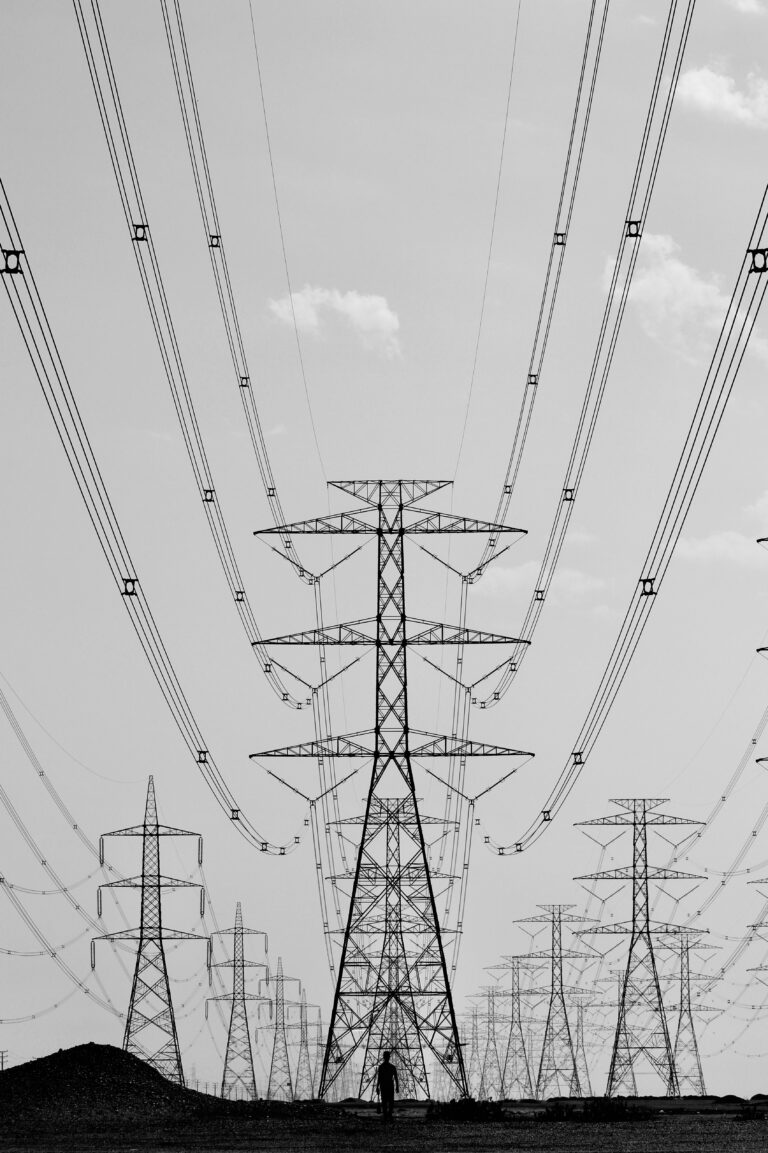
Ontario’s Ministry of Energy (the Ministry) this week announced its intention to develop a new voluntary clean energy credit registry (CEC) registry. The Ministry has directed Ontario’s Independent Electricity System Operator (IESO) to research and report on the design of a provincial CEC registry by July 4, 2022. The Ministry also indicated that it intends to consider the IESO report and stakeholder feedback before implementing the CEC registry by January 2023.   The Ministry stated that the CEC Registry will assist businesses operating in Ontario to meet corporate environmental and sustainability goals. The voluntary CECs would represent 1 MWh of clean electricity generated from one or multiple non-emitting sources such as solar, wind, bioenergy, hydroelectric and nuclear. Purchasers will be allowed to purchase and retire the voluntary CECs to meet corporate and individual goals and demonstrate that their electricity is generated from non-emitting sources.  Revenue from the sale of CECs could (i) be returned to Ontario ratepayers to lower the cost of electricity and/or (ii) support future clean energy generation projects. The proposed CEC registry is intended to assist businesses to reduce emissions and meet the climate targets of the Made-in-Ontario Environment Plan, Ontario’s climate and environment plan.   The CEC registry would match similar voluntary registries in Ohio, Pennsylvania, Illinois, Indiana, Wisconsin, and New England For further information or to discuss the contents of this bulletin, please contact Lisa DeMarco at lisa@resilientllp.com.